
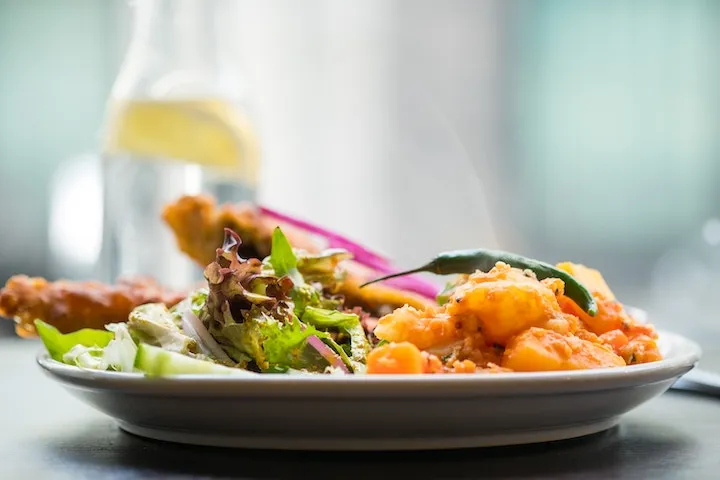
Before the meal ideas — read this first
A ketogenic diet is a therapeutic very-low-carbohydrate eating pattern, originally developed for drug-resistant childhood epilepsy and now used in some clinical contexts (selected metabolic and neurological conditions, occasionally in supervised weight management). It isn’t a general-population recommendation, and it’s not the everyday eating pattern I’d suggest for most healthy Indian adults — the standard Indian plate of dal, sabzi, roti / rice, milk and curd does the job for most people most of the time.
Any sustained move in a low-carb direction should be done with a dietitian and your treating clinician — especially if you have diabetes, kidney disease, fatty liver, gallbladder issues, are pregnant or breastfeeding, are an adolescent, or are over 65. The post below is for people who, after that conversation, have decided to try a low-carb pattern in an Indian household kitchen. It is a list of food options, not a prescription. If keto isn’t a clinical fit for you, the food ideas below still translate as a “low-glycaemic, plant-and-protein-forward day” — useful in their own right.
A few things on fats and inflammation
Two corrections to common keto-space claims that need flagging:
On inflammation. “Sugar is the main cause of inflammation” is a popular line, but it’s an oversimplification. The metabolic and inflammatory load in modern Indian diets comes from a combination — refined carbohydrate, high-fat-sugar-salt (HFSS) and ultra-processed foods, low fibre, low vegetable intake, and abdominal obesity. Sugar is one contributor; it isn’t the sole villain.
On cooking oils. Cooking everything in coconut oil isn’t a good default. Coconut and palm oil are high in saturated fat and can raise LDL cholesterol on a daily basis. The better approach is to rotate cooking oils across the week — mustard, groundnut, sesame, rice-bran, soybean, sunflower — to balance saturated, monounsaturated, and polyunsaturated fat profiles. Keep total visible fat to roughly 20–30 g per day for a sedentary–moderate adult; ghee, butter, and cheese count toward that ceiling, so a daily 1–2 teaspoons of ghee or butter is a reasonable upper bound rather than treating them as unlimited.
For a low-carb plan, this means: yes, energy comes more from fat, but the type of fat still matters. Rotate oils, lean on nuts and seeds and oily fish, and use ghee/butter modestly rather than as the default cooking medium.
Hydration
Aim for around 2 litres of water per day, more in the heat or with vigorous activity. A keto-style plan can be slightly more dehydrating in the first week through electrolyte and water shifts, so listen to thirst and watch urine colour.
Meal options if you go ahead
Start the day with a glass or two of warm water followed by black coffee without sugar, lime water, or warm water with 5–6 skinned almonds.
Breakfast options:
- Mixed-vegetable omelette (2–3 eggs) with tomato, mushroom, spinach, capsicum, green chilli, and a little onion
- Paneer bhurji with vegetables
Lunch / dinner options:
- Grilled or tandoori chicken with salad and a clear vegetable soup
- Chicken-and-vegetable stir-fry
- Fish peera (mathi, kozhuva, natholi) or fish pollichathu with thoran (avoid root vegetables), beans, achinga payar, bitter gourd, mild aviyal with pumpkin, snake gourd, brinjal, and a small amount of raw banana
- Chicken stew with vegetables in a clear or coconut-milk soup form (thinned, not heavy)
- Tawa-fried minced-meat cutlets with a mint-and-coriander chutney and salad
- Mushroom naadan-style roast, or mushroom-chilli with a chicken-and-vegetable stir-fry
Cooking medium. Rotate oils through the week — mustard, groundnut, sesame, rice-bran, and a small amount of coconut oil — rather than relying on coconut oil alone. Reserve fresh coconut, coconut milk, and desiccated coconut for occasional dishes; they’re flavourful but high in saturated fat.
Best vegetables. Cauliflower, broccoli, spinach, cheera, mathanga (pumpkin in moderation), kumbalanga (ash gourd), cabbage, capsicum, green beans, mushrooms. Carrot in small amounts.
Vegetables to limit on this plan. Root vegetables grown below the ground (potato, yam, tapioca, beetroot) — though if keto is therapeutic-only and you transition off, these come right back.
Onions. Use, but don’t deeply caramelise.
Snack options:
- Mixed unsalted nuts (walnuts, almonds, cashews — walnuts are also a useful plant source of omega-3 ALA)
- Fruits like berries, papaya (not too ripe), and passion fruit in small quantities
- Vegetable sticks — green capsicum, cucumber, a few pieces of carrot — with a homemade sugar-free mayonnaise or peanut/almond/cashew butter
- Sautéed mushrooms in a little ghee or butter and garlic with freshly ground pepper
- Boiled eggs with homemade mayonnaise
- Tawa-fried paneer cutlets with mint-coriander chutney
Cheese, butter, ghee. Use modestly. A small portion of paneer or hard cheese, plus 1–2 teaspoons of ghee, is a reasonable daily upper bound — cheese and ghee count toward the same daily fat allowance.
Eating out. Grilled non-veg or seafood platters and kebab platters with salad on the side are the most predictable choices.
What to expect — and when to stop
Initial fatigue, headaches, and reduced exercise tolerance for a few days are common as the body shifts fuel use. If they persist beyond a week, or if any of the following appear, stop and talk to your clinician:
- Persistent dizziness, palpitations, or fainting
- Constipation that doesn’t resolve with fibre and fluids
- Disordered eating thoughts or food rigidity
- Worsening lipid panel (LDL especially), kidney function, or liver enzymes on follow-up
- New gallbladder symptoms
Weight may move on this kind of plan — partly through water, partly through reduced overall energy intake when refined carbohydrate goes out. That isn’t unique to keto; it’s true of any pattern that displaces refined-carb processed foods. The harder question is whether the pattern is sustainable for you, in your kitchen, with your family’s food culture, for the long run. For most healthy Indian adults, a regular plate with controlled added sugar, rotated oils, and plenty of vegetables will deliver most of the same metabolic benefit without the constraints.
When to seek personalised advice
If you have diabetes (especially on insulin or sulfonylureas), kidney or liver disease, gallbladder disease, are pregnant or breastfeeding, are an adolescent, or are over 65, don’t start a keto-style plan unsupervised. Work with Pooja for a structured review of whether — and how — a low-carb pattern fits your context.