
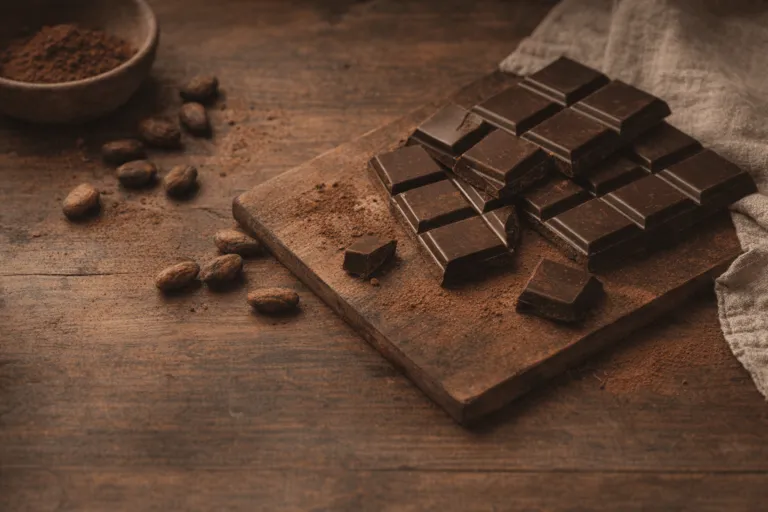
Chocolate’s ancient roots: a journey from bean to bliss
Chocolate’s story began over 4,000 years ago in ancient Mesoamerica (modern-day Mexico). The Olmec civilisation first transformed the cacao plant, and later, the Mayans and Aztecs deeply revered it. They used cacao beans not just for a bitter, frothy drink, but also as currency and in sacred rituals, even offering it to their gods. When Spanish explorers arrived, they initially found the bitter beverage unappealing. Yet, once sweetened, it quickly enchanted European palates, beginning its global journey.
How India fell in love with chocolate
India’s own sweet connection with chocolate began in 1798, when the British set up the first cacao plantations in Courtallam. However, cacao cultivation only became a significant agricultural activity in the mid-1960s — largely when the British confectionery giant Cadbury began operations in Wayanad, Kerala. Over time, the fragile Criollo variety initially planted was replaced by the more robust Forastero variety, brought from West Africa and Malaysia. Today, several South Indian states — Kerala, Tamil Nadu, Andhra Pradesh, and Karnataka — are known for cacao cultivation.
And if you’re thinking of “chocolate in India,” chances are Cadbury Dairy Milk comes to mind first. It’s been synonymous with celebrations and gifting for generations. Beyond this enduring favourite, a fantastic local craft-chocolate scene is now blossoming too, offering unique and high-quality options.
Unwrapping the name: a few fun chocolate facts
The word “chocolate” itself likely comes from the Aztec word xocoatl, referring to that original bitter drink. But the cacao tree’s scientific name — Theobroma cacao — is truly poetic. It means “food of the gods.”
- It takes around 400 cacao beans to create just one pound of chocolate.
- For centuries, chocolate was a liquid drink. It became solid “eating chocolate” only in 1847, thanks to British chocolatiers Fry and Sons.
- White chocolate isn’t technically chocolate. It lacks cocoa solids or cocoa liquor — it’s made from cocoa butter, sugar, and vanilla.
The goodness inside: health benefits of dark chocolate
Beyond its irresistible taste, dark chocolate — especially varieties with 70 % cocoa or more — offers some real nutritional perks. It’s a source of minerals like iron, magnesium, copper, and manganese. It has a modest amount of fibre too — about 3 g in a 1-ounce serving. But the most-studied actives are the antioxidants, particularly polyphenols and flavanols, which have been linked to:
Cardiovascular benefits. Flavanols can help lower blood pressure, improve blood flow, and have a small antiplatelet effect.
Gut health. Cocoa acts as a prebiotic, nourishing beneficial bacteria in the gut.
Mood. Chocolate contains compounds (phenylethylamine, a small amount of caffeine and theobromine) that may contribute to the small mood-lift many people notice after eating it.
Ongoing research on cocoa flavanols also points to possible benefits for:
Blood sugar management. Some studies suggest cocoa flavanols can improve insulin sensitivity and reduce oxidative stress, which may help slow progression to type 2 diabetes.
Brain health. Flavanols appear to increase blood flow to the brain and have antioxidant and anti-inflammatory effects that may be protective against neuronal decline.
That said — many of these studies use concentrated cocoa extracts rather than bars of chocolate, and longer-term human trials are still needed. Think of dark chocolate as a pleasant part of a broader pattern of healthy eating, not a medicine.
Savouring chocolate mindfully: when, how much, and what to watch for
To truly appreciate chocolate, try savouring it slowly. Break off a small piece, let it melt gently on your tongue, and notice the layers of flavour.
Portion size. Treat dark chocolate as an occasional pleasure rather than a daily habit. A small square or two of a 70 % bar — around 15–20 g — gets you the polyphenol and flavour benefit without the sugar and saturated-fat load that comes with bigger portions.
Best time of day. Many people find morning or early afternoon ideal. The natural stimulants (caffeine and theobromine) give a gentle boost, and the body tends to process sugars and fats more efficiently earlier in the day. For better sleep, it’s usually best to avoid chocolate late in the evening.
For little ones. Hold off on chocolate until at least age 2, ideally 3. The early years are when taste preferences are being set, and chocolate is mostly added sugar plus cocoa butter — better introduced later, in small portions, and as an occasion rather than a routine.
Be cautious if you have:
- Allergies to cocoa, or to common additions like milk, nuts, or soy
- Caffeine sensitivity (even moderate amounts may cause jitters or affect sleep)
- Migraine triggered by chocolate (compounds like tyramine can be the culprit for some)
- Digestive concerns (large amounts can be hard on the stomach)
- Acid reflux/GERD — chocolate can relax the lower oesophageal sphincter and worsen heartburn
- Weight management — chocolate is calorie-dense, so overindulgence adds up quickly
- Sugar-free chocolates — these often contain sugar alcohols (sorbitol, xylitol) that can cause digestive discomfort
A non-dairy option: vegan chocolate
For anyone on a plant-based diet, vegan chocolate has become wonderfully diverse. Traditional milk chocolate contains dairy, but vegan versions swap animal milk for almond, coconut, or oat milk. Dark chocolate is often vegan by default — but it’s always worth checking the label for milk-derived ingredients or cross-contamination.
The enduring magic of chocolate
Beyond taste and potential health benefits, chocolate holds a special place in our culture. Think of how a simple piece can brighten a tough day, or how it features in celebrations worldwide. Perhaps no story captures this charm quite like Joanne Harris’s novel Chocolat — the one with Juliette Binoche in the film adaptation. It beautifully illustrates chocolate’s power to bring joy, warmth, and connection.
This World Chocolate Day, enjoy your piece of food of the gods — responsibly, and slowly.